Medicube Zero Pore Mud Mask vs Peel-Off Masks: UK Guide
Compare Medicube Zero Pore Blackhead Mud Mask with peel-off masks by format, ingredients, directions, evidence, irritation risk and UK buying checks.
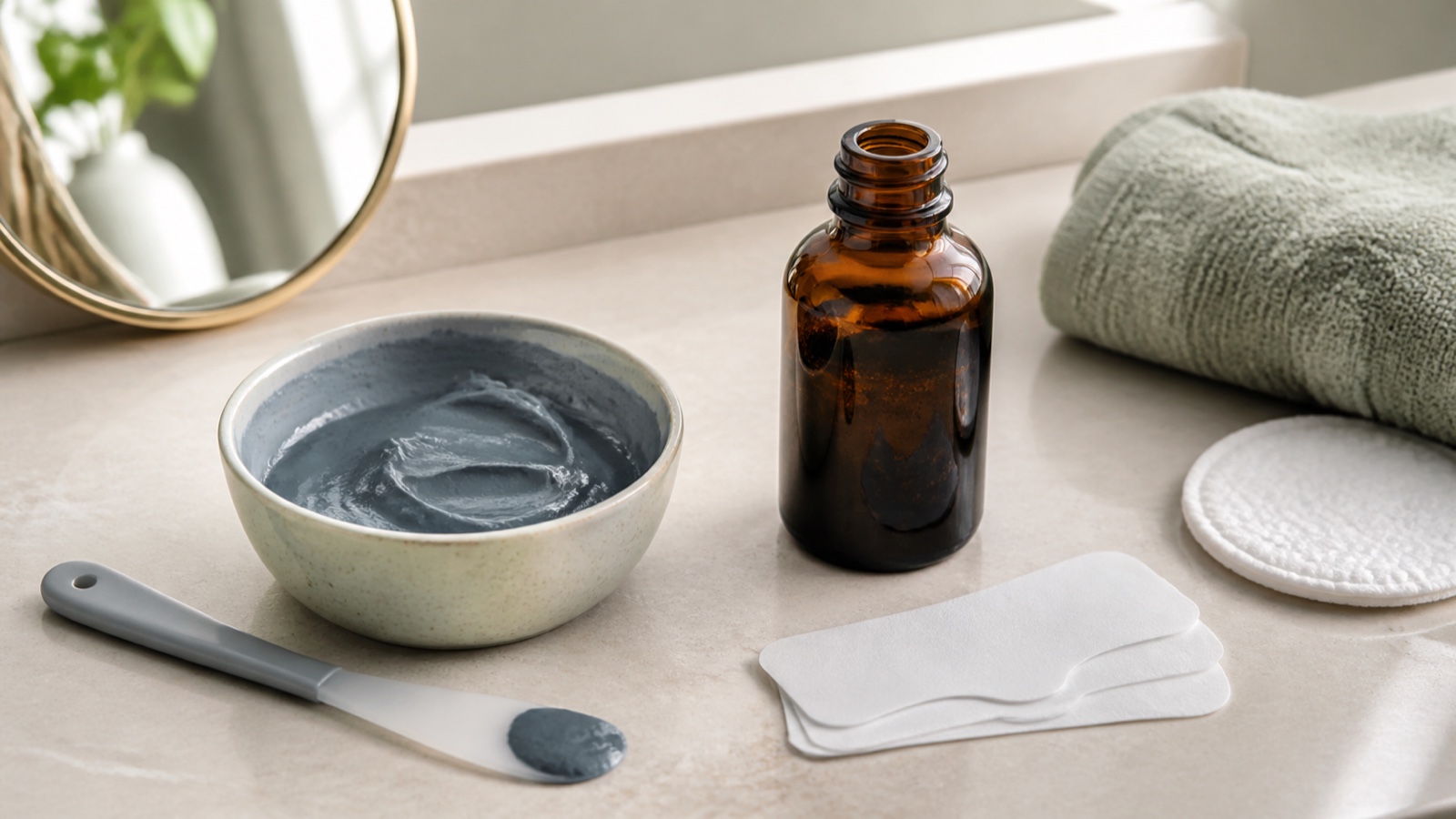
Medicube Zero Pore Blackhead Mud Mask and a liquid peel-off mask can both appear in a UK search for pore care, but they are not interchangeable products. Medicube describes a short-contact, rinse-off clay mask containing exfoliating acids. The current Zyfee listing describes a liquid film used with paper strips and removed by peeling.
That difference matters more than the word “dupe”. Choose according to the format you can use comfortably, the complete ingredient label, the directions on the pack and the limits of the available evidence. Neither format should be treated as a permanent way to remove pores or as a treatment for acne.
The short answer
Choose the Medicube mud mask format if you specifically want a rinse-off clay product and are comfortable checking how its acid-containing formula fits with the rest of your routine. Consider a peel-off product only if you deliberately prefer local application and mechanical removal, and your skin tolerates that method.
Before buying either type, check:
- the complete current INCI ingredient list, not only highlighted ingredients;
- contact time and removal method;
- warnings, patch-test directions and areas to avoid;
- nominal amount, pack count and what accessories are actually included;
- the UK Responsible Person, batch details and period-after-opening information;
- the delivered price and returns terms on the day you order.
They use different removal mechanisms
Medicube’s official product page directs users to apply its mud mask to clean, dry skin, avoid the eye and mouth areas, allow it to dry and rinse it off with lukewarm water after roughly three to five minutes. The listed formula includes kaolin, bentonite and other clays, alongside glycolic acid, salicylic acid and gluconolactone.
The current Zyfee product listing describes a liquid peel-off format used with paper strips. Its visible technical section gives a contact time of 10 to 15 minutes and highlights tea tree oil and aloe vera. A film that is peeled from the skin produces mechanical pull; a dried clay mask is removed with water. A shared pore-care label does not make those actions equivalent.
This is also why a visible residue on a removed strip is not proof that a pore has been permanently cleared. Surface oil, dead skin, product film and fine hair can all contribute to what is seen after peeling.
A fact check on the current Zyfee listing
The live Zyfee page captured for this guide on 15 August 2026 showed a price of £13.99 including VAT and used a product title describing a 3-pack. Price and bundle details can change, so recheck them at checkout.
The same page contained an unresolved accessory-count conflict: its search description referred to 100 peel-off sheets, while the technical specifications referred to 60 application papers. This guide does not choose one number or calculate cost per use. Confirm the physical pack contents with the seller before ordering and keep that confirmation if the count affects your decision.
The visible page also alternated between Zyfee and BREYLEE naming in different areas. Treat the label on the supplied item, the Responsible Person details and the complete ingredients on the packaging as the controlling information. A web-page heading is not a substitute for the physical label.
What the ingredient lists can and cannot tell you
Medicube’s official list identifies clays plus glycolic acid, salicylic acid and gluconolactone. Those facts support describing it as an acid-containing clay mask. They do not reveal the exact concentration or pH of each acid, and they do not predict how an individual person’s skin will respond.
The Zyfee listing highlights tea tree oil and aloe vera, but the visible page reviewed for this article did not provide a complete ordered INCI list. Highlighted ingredients alone cannot establish formula equivalence, finished-product effectiveness or suitability for sensitive skin. Check the package before use, especially if you have known fragrance, botanical or adhesive sensitivities.
Ingredient properties should not be promoted as guaranteed finished-product results. UK cosmetics guidance requires claims to be supportable and says product information should include ingredients, precautions, quantity, batch identification and Responsible Person details.
Patch testing and irritation risk
“Patch test” is a useful precaution, but it is not a promise that a product cannot cause a later reaction. Follow the exact pack instructions. If the label gives no method, ask the seller or manufacturer rather than inventing a test time or location.
For a cautious first use:
- Do not apply to broken, sunburnt, recently shaved or already irritated skin.
- Avoid the eyes, lips and hairline, and do not exceed the stated contact time.
- Do not introduce several new exfoliating or potentially irritating products in the same session.
- Remove the product as directed; do not keep pulling at a film that is painful or strongly attached to fine hair.
- Stop and rinse if there is significant burning, swelling, blistering or rapidly increasing redness.
The NHS notes that cosmetics can trigger irritant or allergic contact dermatitis. Symptoms can include redness, itching, dryness, burning, stinging or blisters. Seek medical advice for a severe reaction, signs of infection, or persistent, recurrent or severe symptoms. This article cannot diagnose a skin condition.
Do not confuse blackheads with dirt
The NHS explains that blackheads are not black because they are filled with dirt. It also advises against trying to “clean out” or squeeze them, because this can worsen spots and contribute to scarring.
A cosmetic mask may change how oily or smooth the skin surface feels for a time. It should not be described as permanently shrinking pores, curing acne or extracting every blackhead. If spots are painful, widespread, scarring or causing significant distress, ask a pharmacist or GP about evidence-based options rather than escalating the frequency or force of a peel-off routine.
Our blackhead care guide explains this distinction in more detail.
How often should either mask be used?
There is no responsible universal schedule that applies to both products and every user. Frequency depends on the exact label, formula, other products in the routine and individual tolerance.
Start with the manufacturer’s current directions and never assume that more frequent use means better results. If you use retinoids, exfoliating acids, benzoyl peroxide or prescribed skin treatment, ask a pharmacist, GP or dermatologist how a new mask fits your routine. Do not pause prescribed treatment on the basis of this article.
Medicube’s three-to-five-minute direction is a contact-time instruction, not a recommended weekly frequency. Zyfee’s visible 10-to-15-minute specification likewise describes one application, not evidence that repeated peeling is suitable for everyone.
A practical mud-mask versus peel-off comparison
| Question | Medicube Zero Pore mud mask | Current Zyfee peel-off listing |
|---|---|---|
| Basic format | Clay-based mask | Liquid film used with paper strips |
| Removal | Rinse with lukewarm water | Peel away after drying |
| Visible contact time | About 3-5 minutes on the official Medicube page | 10-15 minutes on the Zyfee page |
| Ingredients publicly highlighted | Clays, glycolic acid, salicylic acid and gluconolactone | Tea tree oil and aloe vera |
| Main tolerance question | Dryness or irritation from the complete acid-and-clay formula | Mechanical pull plus tolerance of the complete liquid formula |
| Evidence boundary | Manufacturer directions and ingredient list, not guaranteed personal results | Retail-page facts with unresolved pack-count and naming conflicts |
Read our separate guide to what peel-off masks can realistically do before choosing the mechanical-removal format. For the botanical claims often attached to tea tree products, use the tea tree face-mask guide and still check the complete pack label.
UK buying checks that matter
For cosmetics sold in Great Britain, look for a named Responsible Person with an appropriate address, a readable ingredient list, nominal amount, precautions, batch identification and durability or period-after-opening information where applicable. Imported-product origin should also be shown where required.
Before paying, take screenshots of the live quantity, price, delivery promise and returns terms. When the page contains inconsistent information, ask for clarification in writing. On arrival, compare the delivered product with the listing before opening it. Do not use an item with a broken seal, missing label, unexplained ingredient list or unclear directions.
Final decision
The most accurate conclusion is same broad shopping category, different product format. Medicube offers a rinse-off acid-and-clay mask. The Zyfee listing offers a longer-contact peel-off film with paper strips. They should not be called formula dupes or assumed to deliver the same result.
Choose only after checking the current physical label and deciding which removal method and ingredient profile fit your routine. Keep expectations cosmetic and temporary, patch test as directed, stop if irritation develops and seek professional advice when symptoms are persistent or severe.